
 “What’s in a Frame?”
Great Question…
 One answer to this question lies somewhat hidden, in an
ancillary product known as a “Media Framing System”. Media Framing systems are meant to fill a previously unmet void in the marketplace. They are designed for the purpose of attaching large format vinyl media to virtually any reasonably flat surface. They’re also meant to make the process of decorating large surfaces easy. As large format digital printing continues to prove itself in new and colorful ways, business owners and marketing folks are creatively scrambling for new opportunities to PRINT BIG, get noticed and make sure their message delivers the desired result.
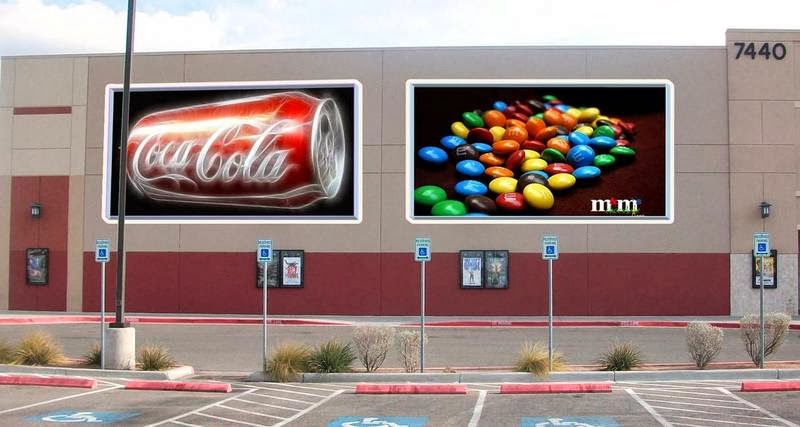 In today’s market, graphic images are “super-size,” larger than life, high-powered, and often times – inEnter Media Frames, which now make mounting and changing giant graphics a practical routine.
 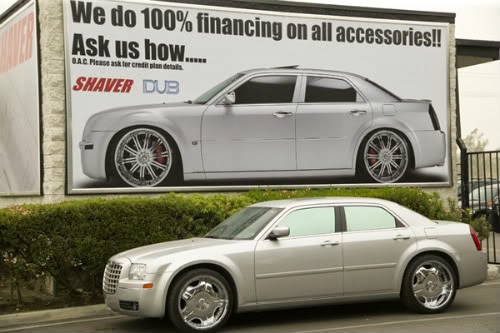 your face. Get the picture? Walk into a modern outdoor pavilion or shopping mall. The surroundings are colorful and dynamic. Advertisers are using oversized images to make an impression on potential customers. High-res, large
format images alter moods and stimulate imaginations. They seem to create
excitement, and actually enhance the buying experience.
Many companies have had success using pressure-sensitive (adhesive) vinyl in certain situations. –So, who needs a frame?
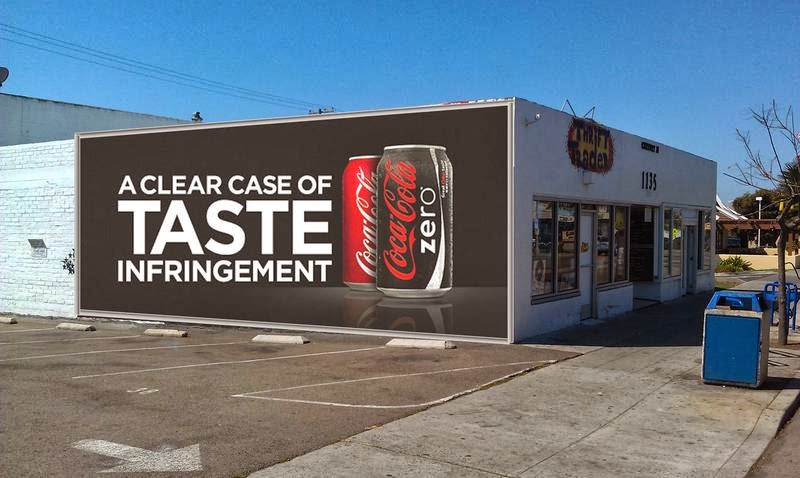
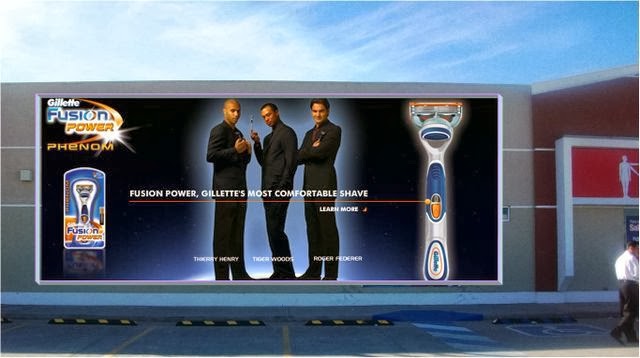 The problem, in many locations, is that PSA (adhesive-back vinyl) will not work — especially if the surface is rough or porous, or if the appearance of the surface needs to remain unmarred upon removal. If the client plans to change the advertising at some point, removing and replacing the sticky-back vinyl can be extremely costly. Finally, when all the work is done, the adhesive product will still show seams, rivets, bumps and whatever else lies beneath the vinyl. Here, you can really see the difference:
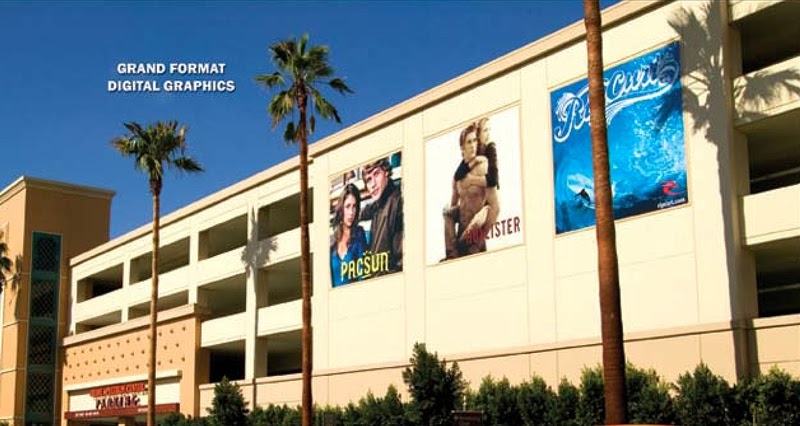 The frames are typically some type of metal extrusion with an anchoring system. The vinyl material is affixed to the framing system and stretched tight to give the display a clean, seamless appearance. Media frames can be used in situations where pressure
sensitive vinyl or films are not practical. The benefit of Media Framing systems is that they are installed once only, while the vinyl media held by the framing system can be interchanged repeatedly.
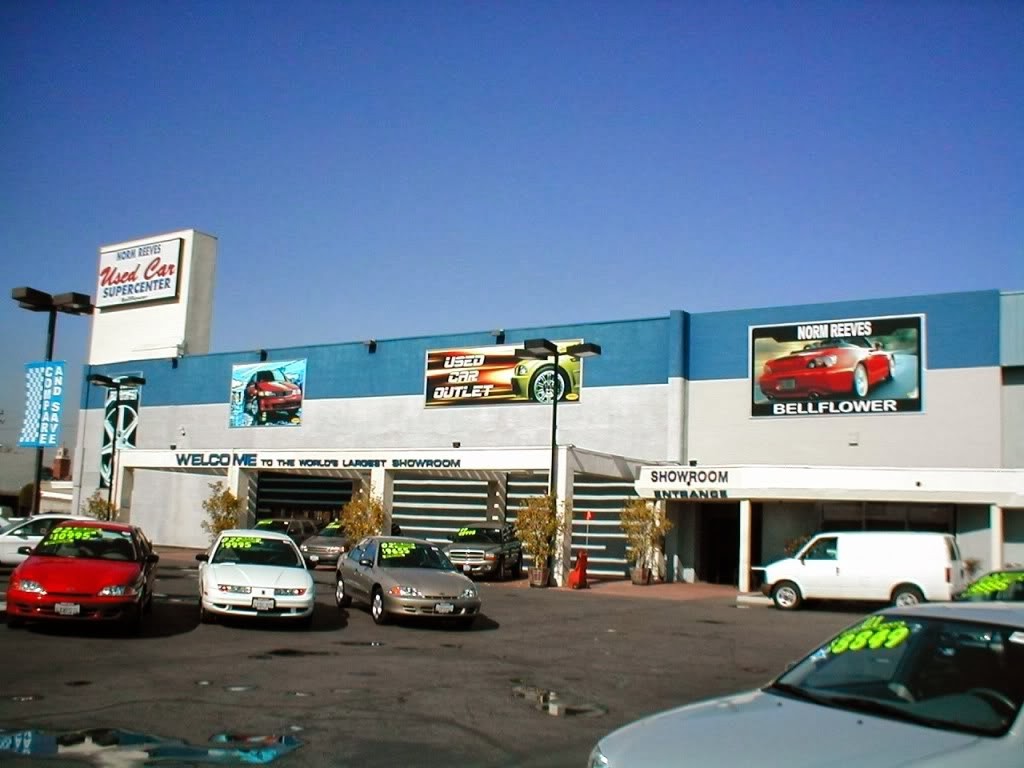 Sign shops and installers who now use media frames, instead of troweling out “mud” on rough building surfaces, or spending hours (or days) to remove sticky-back vinyl are breathing a collective sigh of relief. It seems peeling off the old vinyl, cleaning the glue residues, and prepping for the next install can cost more than the entire (new) project.
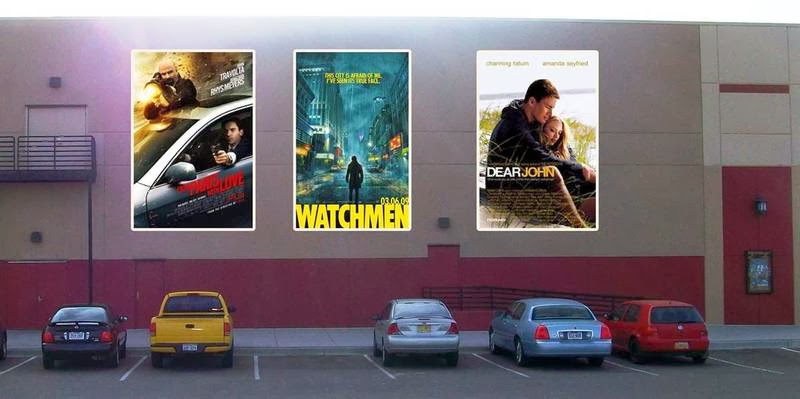
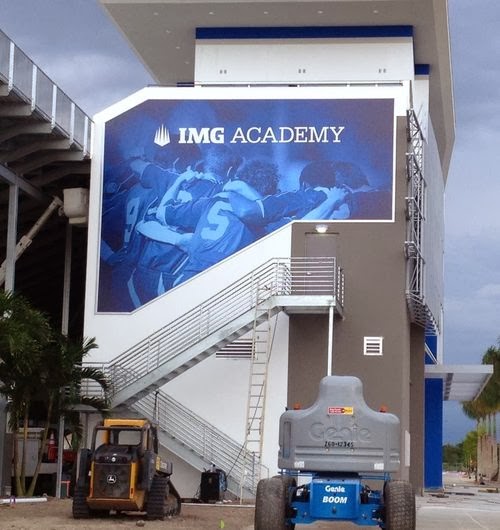
Thanks to Media Frames, indoor and outdoor wallscapes are popping up fast. Stadiums and public auditoriums have walls and columns that beg for décor. Want a high profile image? Ceilings can even be another great place for media frames. Big, blank walls are obviously prime real estate for advertisers, but framing systems were originally designed to be on the move. Some Media Framing systems were invented as a safe, economical way 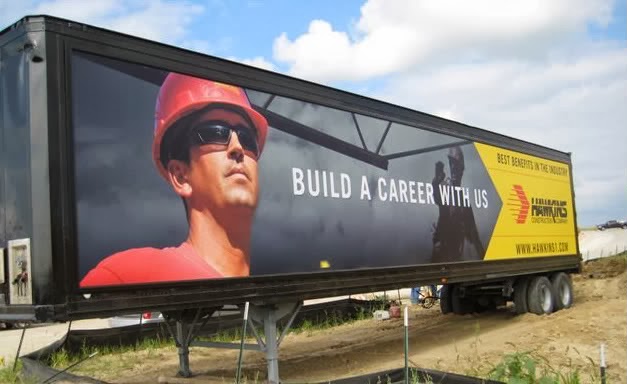 to advertise on trucks and semi-trailers, which are enormous billboard surfaces that generate millions of eyeball impressions.
to advertise on trucks and semi-trailers, which are enormous billboard surfaces that generate millions of eyeball impressions.Truckside Advertising – With over 30 million trucks reportedly traveling across the highways and byways of North America, it’s easy to see why advertisers were looking toward this new frontier known as “Mobile Outdoor.” According to Bret Mileski,
founder of 1-800-Great Ad,
founder of 1-800-Great Ad,
“In our society, every visual space has been used to advertise
— from mouse pads to coffee cups, from supermarket receipts to movie screens
to bus stops to the very skies above. Truckside Advertising is the biggest,
baddest, boldest, most cost-effective media available across America.
It’s also the most untapped.” Wallscapes – Framing systems have been used to create
changeable wallscapes in stadiums, on theaters, libraries, public buildings, in and around shopping malls, and at auto dealerships. They’ve been seen on subways and transit systems, and are now being used to liven up walls surrounding major construction sites at hospitals, casinos, and city projects. From parking structures to alleys, from city parks to storage containers, from trailers to retail stores, new applications are being discovered on a regular basis. One company even introduced media frames as an inexpensive innovation to reface old, weathered signs.
changeable wallscapes in stadiums, on theaters, libraries, public buildings, in and around shopping malls, and at auto dealerships. They’ve been seen on subways and transit systems, and are now being used to liven up walls surrounding major construction sites at hospitals, casinos, and city projects. From parking structures to alleys, from city parks to storage containers, from trailers to retail stores, new applications are being discovered on a regular basis. One company even introduced media frames as an inexpensive innovation to reface old, weathered signs.


